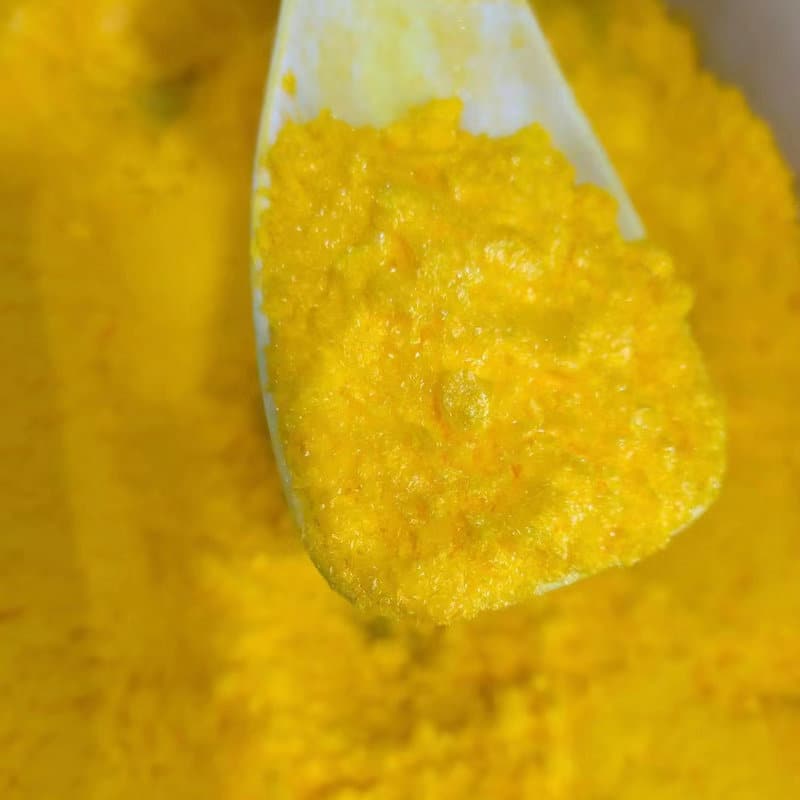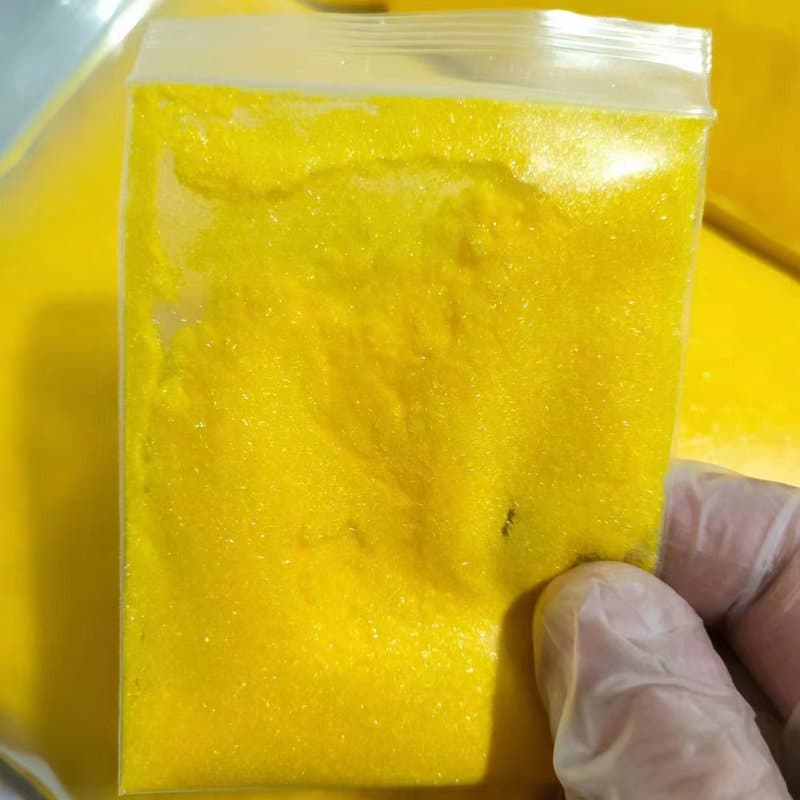


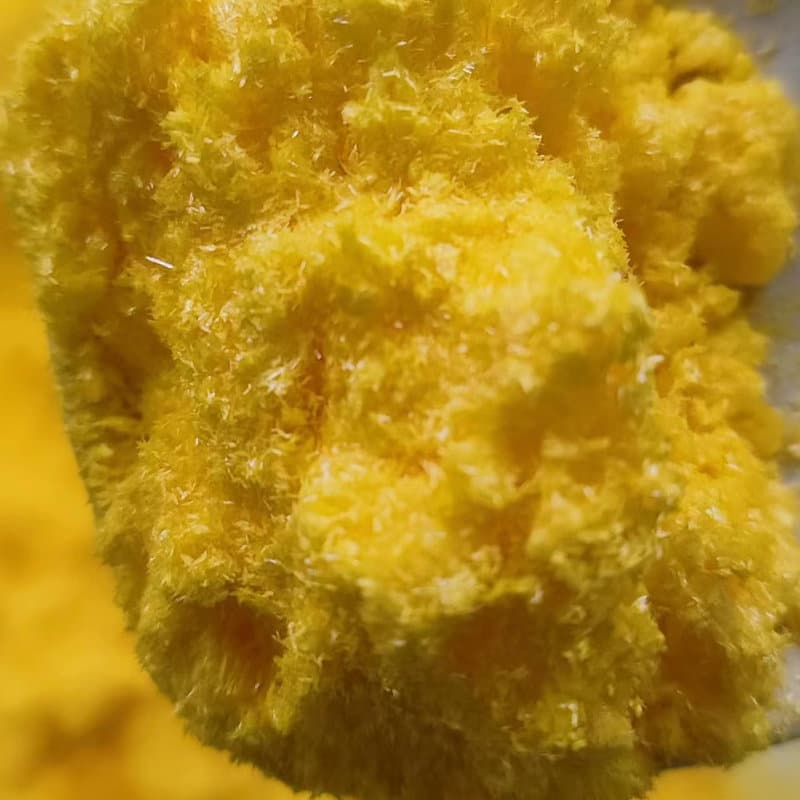
Strukturformel for Hydroxypinacolon-retinoat
Udgivelsesdato:
2026-10-07
Strukturformel for Hydroxypinacolone Retinoate
```html
Hvad er strukturen af Hydroxypinacolonretinoat? Detaljeret gennemgang af HPR's molekylstruktur, molekylformel og CAS-nummer
Strukturen af Hydroxypinacolonretinoat er ofte den første information, som kosmetiske forskere og indkøbere af råmaterialer har brug for at bekræfte, når de undersøger HPR (Hydroxypinacolone Retinoate). Hydroxypinacolonretinoat er en retinoatester-forbindelse med CAS-nummer
893412-73-2og molekylformel
C26H38O3
og en relativ molekylmasse på ca.
398.58。
Ud fra molekylstrukturen bevarer Hydroxypinacolonretinoat den typiske konjugerede polyenstruktur af A-vitaminer, mens carboxylgruppen i enden af retinsyren er blevet esterificeret til en ny esterstruktur. Denne artikel gennemgår strukturen, molekylformlen, strukturelle egenskaber, SMILES og praktiske metoder til identifikation af Hydroxypinacolonretinoat som råmateriale.
1. Grundlæggende information om strukturen af Hydroxypinacolonretinoat
| Kinesisk navn | Hydroxypinacolonretinoat |
| Engelsk navn | Hydroxypinacolone Retinoate |
| Almindelig forkortelse | HPR |
| CAS-nummer | 893412-73-2 |
| Molekylformel | C26H38O3 |
| Molekylvægt | Ca. 398,58 g/mol |
| PubChem CID | 25054592 |
| InChIKey | XLPLFRLIWKRQFT-XUJYDZMUSA-N |
Det skal bemærkes, at
strukturformlen og molekylformlen ikke er det samme begreb
。C26H38O3 angiver blot, at et hydroxypinakolon-retinoat-molekyle indeholder 26 carbonatomer, 38 hydrogenatomer og 3 oxygenatomer, mens strukturformlen yderligere viser, hvordan disse atomer konkret er forbundet med hinanden.
II. Hvilke karakteristika har strukturen af hydroxypinakolon-retinoat?
Ud fra strukturformlen for hydroxypinakolon-retinoat kan man se, at dets molekyle ikke er en simpel kortkædet ester, men har ret tydelige strukturelle træk fra A-vitamin-lignende forbindelser.
1. Har en typisk konjugeret polyenstruktur som A-vitamin-lignende forbindelse
HPR-molekylet indeholder en kontinuerlig umættet carbonkæde og flere konjugerede dobbeltbindinger, hvilket også er et af de vigtige strukturelle kendetegn ved Retinoid-forbindelser.
Den ene ende af strukturen indeholder en cyclohexenstruktur med methylsubstituenter, hvorefter der følger en længere konjugeret polyenkæde, og derefter en estergruppe og en forgrenet struktur indeholdende en carbonylgruppe.
2. Er et esterderivat af retinsyre
Fra et kemisk strukturelt perspektiv kan Hydroxypinacolone Retinoate beskrives som et esterderivat dannet af retinsyre.
Et af dets systematiske navne er:
(3,3-dimethyl-2-oxobutyl) (2E,4E,6E,8E)-3,7-dimethyl-9-(2,6,6-trimethylcyclohexen-1-yl)nona-2,4,6,8-tetraenoate
Selvom dette navn er forholdsvis langt, beskriver det allerede vigtige oplysninger såsom dobbeltbindingernes placering, substituenterne og esterstrukturen i HPR-molekylet.
3. Molekylet indeholder 3 oxygenatomer
Molekylformlen for hydroxypinacolonretinoat er C26H38O3, hvor de 3 oxygenatomer primært stammer fra estergruppen og carbonylrelaterede strukturer.
Derfor kan man gennem HPR-strukturformlen ikke blot se det konjugerede retinoid-skelet, men også direkte observere den esterificerede del, som adskiller sig fra den almindelige retinolstruktur.
III. SMILES-strukturekspression for hydroxypinacolonretinoat
Ud over de almindelige todimensionelle kemiske strukturformler bruges SMILES også ofte i kemiske databaser, råstofdatabaser og videnskabelige materialer til at repræsentere kemiske forbindelsers struktur.
Strukturen af hydroxypinacolonretinoat, som er registreret i PubChem, kan repræsenteres med følgende SMILES:
CC1=C(C(CCC1)(C)C)\/C=C\/C(=C\/C=C\/C(=C\/C(=O)OCC(=O)C(C)(C)C)\/C)\/C
SMILES er en metode til at konvertere molekylstrukturer til teksttegn, som primært bruges til søgning i kemiske databaser, strukturssøgning og molekylidentifikation i kemisk informationssoftware.
For almindelig indkøb af kosmetiske råvarer er det ikke nødvendigt at huske den fulde SMILES, men hvis man skal verificere strukturoplysninger, CAS-information eller tredjeparts testdata fra leverandører, kan SMILES, InChIKey og CAS-nummer bruges som supplerende identifikationsinformation.
Fire: Hvad er forskellen mellem strukturformlen og molekylformlen for hydroxypinakolonretinoat?
Når man søger på "hydroxypinakolonretinoat strukturformel", ser man ofte C26H38O3 samtidig, og det er derfor let at forveksle de to.
Faktisk:
Molekylformel:
C26H38O3
Den kan kun angive antallet af de forskellige grundstoffer i HPR-molekylet.
Strukturformel:
Den viser, hvordan de 26 carbonatomer, 38 hydrogenatomer og 3 oxygenatomer konkret er forbundet, og kan samtidig vise information om dobbeltbindinger, esterbindinger, carbonylgrupper og ringstrukturer.
Derfor er det ikke nok kun at se C26H38O3, når man skal vurdere, om et stof er hydroxypinakolonretinoat – en mere præcis metode er samtidig at kontrollere
CAS-nummer, strukturformel, molekylformel, molekylvægt og analysedata
。
5. Hvorfor tilhører hydroxypinakolonretinoat Retinoid-strukturer?
HPR's struktur indeholder den repræsentative ringformede ende og konjugerede polyenkædestruktur, som Retinoid-forbindelser har.
Strukturelt kan det forstås som et esterderivat af retinsyre, og derfor kan man i engelsksprogede kilder ud over Hydroxypinacolone Retinoate også se
Retinoic acid, 3,3-dimethyl-2-oxobutyl ester
dette navn.
Databaser som FDA GSRS knytter også CAS 893412-73-2 til Hydroxypinacolone Retinoate og registrerer dets molekylformel som C26H38O3.
6. Hvordan bekræfter man via strukturinformation, om et stof er hydroxypinakolonretinoat?
Hvis en kosmetikvirksomhed skal indkøbe HPR-råmateriale, anbefales det ikke kun at vurdere ud fra produktnavnet – man bør især kontrollere følgende oplysninger.
1. Kontroller CAS-nummer
Den almindeligt anvendte CAS-nummer for hydroxypinakolonretinoat er:
893412-73-2
2. Kontroller molekylformel
Den tilsvarende molekylformel bør være:
C26H38O3
3. Kontroller molekylvægt
Den relative molekylmasse registreret i offentlige kemiske databaser er ca.:
398,58~398,6 g/mol
4. Gennemgå COA og testdokumentation
Ved indkøb af råmaterialer er det ikke tilstrækkeligt kun at kontrollere strukturformlen; der bør også foretages faktisk kvalitetstest. Ved indkøb bør man desuden vurdere ud fra leverandørens COA, HPLC-testresultater og nødvendig strukturel karakteriseringsdokumentation.
Hvis der indkøbes HPR-pulver med høj renhed, kan man desuden anmode leverandøren om at fremlægge batchtestrapporter samt nødvendig NMR-, HPLC- og anden testdokumentation til bekræftelse af råmaterialets identitet og renhed.
7. Ofte stillede spørgsmål om strukturen af hydroxypinakolonretinoat
Hvad er molekylformlen for hydroxypinakolonretinoat?
Molekylformlen for hydroxypinakolonretinoat er
C26H38O3
。
Hvad er molekylvægten af hydroxypinakolonretinoat?
Dens molekylvægt er cirka
398,58 g/mol
,Forskellige databaser kan vise decimalerne lidt forskelligt, f.eks. 398,58, 398,59 eller 398,6, hvilket normalt skyldes forskelle i beregning og antal decimaler.
Hvad er CAS-nummeret for hydroxypinakolonretinoat?
Hydroxypinacolone Retinoate svarer til CAS-nummeret
893412-73-2。
Er HPR det samme som hydroxypinakolonretinoat?
I kosmetiske råmaterialer og relateret teknisk dokumentation bruges HPR normalt som forkortelse for Hydroxypinacolone Retinoate, dvs. hydroxypinacolonretinoat.
Er strukturen af hydroxypinacolonretinoat den samme som retinol?
Nej. Selvom begge er vitamin A-relaterede forbindelser og har delvist lignende retinoid-skeletstrukturer, har hydroxypinacolonretinoat forskellige terminale funktionelle grupper og esterstrukturer, hvorfor dets molekylformel, molekylvægt og fuldstændige kemiske struktur er forskellig fra retinol.
Otte, opsummering
CAS-nummeret for hydroxypinacolonretinoat (Hydroxypinacolone Retinoate, HPR) er
893412-73-2og molekylformel
C26H38O3
, og molekylvægten er ca.
398,58 g/mol
。
Ud fra strukturen af hydroxypinacolonretinoat kan man se, at molekylet indeholder en typisk retinoid-konjugeret polyenstruktur samt ester- og carbonylrelaterede strukturer. For forsknings- eller indkøbspersonale kan strukturformlen hjælpe med at forstå HPR's kemiske identitet, men i den faktiske proces med råmaterialeindkøb og kvalitetsvurdering bør man samtidig kontrollere CAS-nummer, COA, HPLC og nødvendige NMR- og andre testdata.
Derfor anbefales det, når man søger efter "strukturformel for hydroxypinacolonretinoat", ikke kun at se på et enkelt struktur billede, men at kombinere
strukturformel, CAS-nummer, molekylformel, molekylvægt og testdata
for at foretage en vurdering.
```
Tags:
Relaterede nyheder
Effekt af Hydroxypinacolone Retinoate
2026-10-07
Effekt af Hydroxypinacolone Retinoate
2026-10-07
Hvordan udtales hydroxypinakolonretinoat
2026-10-07
Hydroxypinacolone Retinoate Pinyin
2026-10-07